Skip to main content
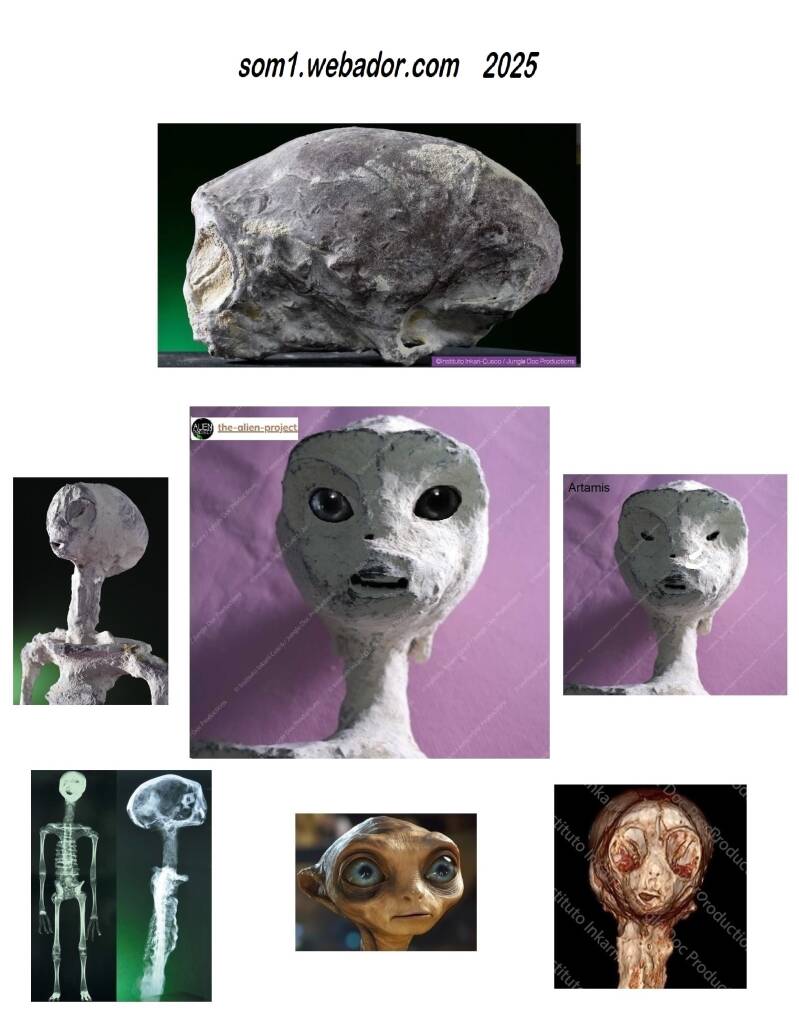
The Nazca Alien Colony has 4 species of Three Fingered and Three Toed Beings
When The Nazca Alien Colony arrived in Peru, there were 4 species that came to live in Peru.
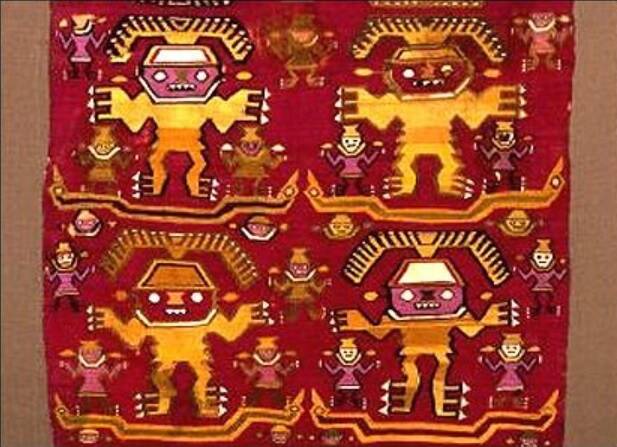
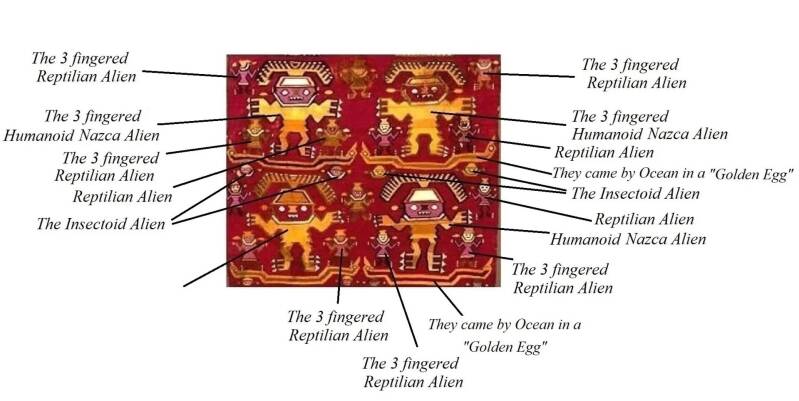
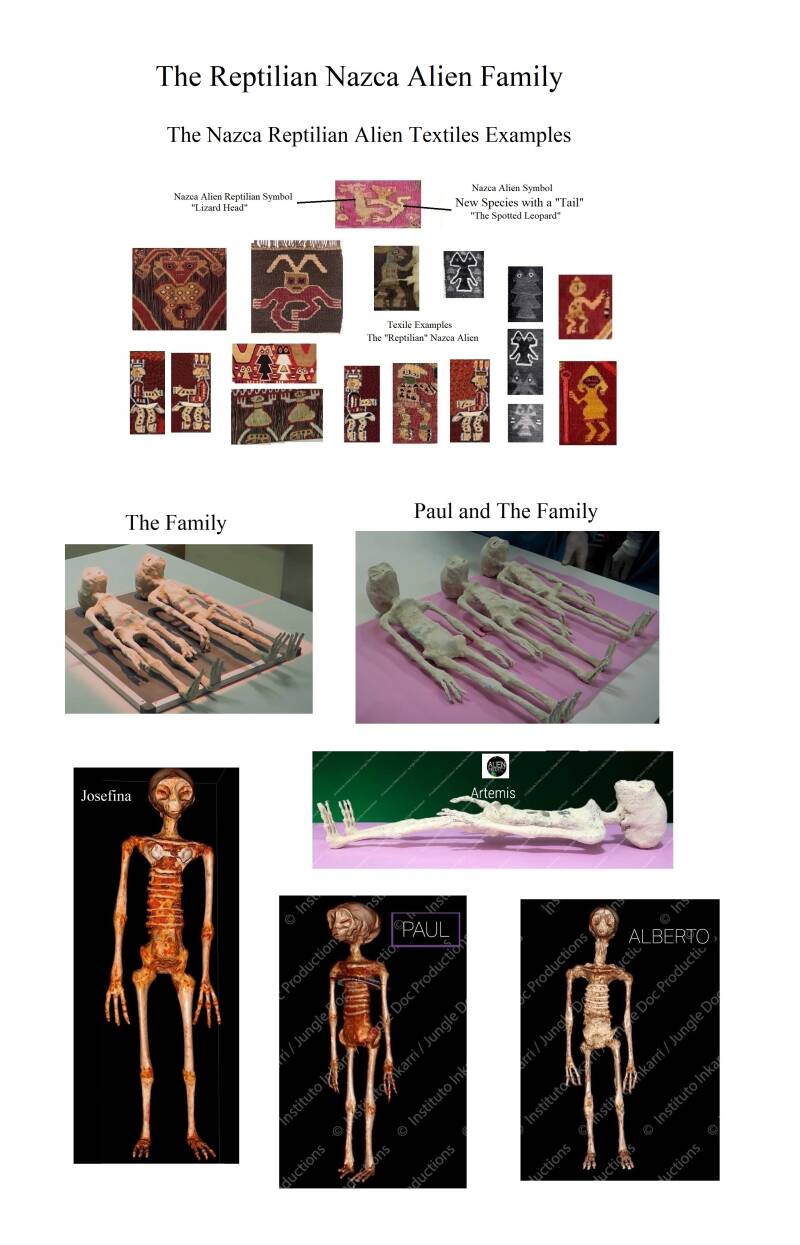
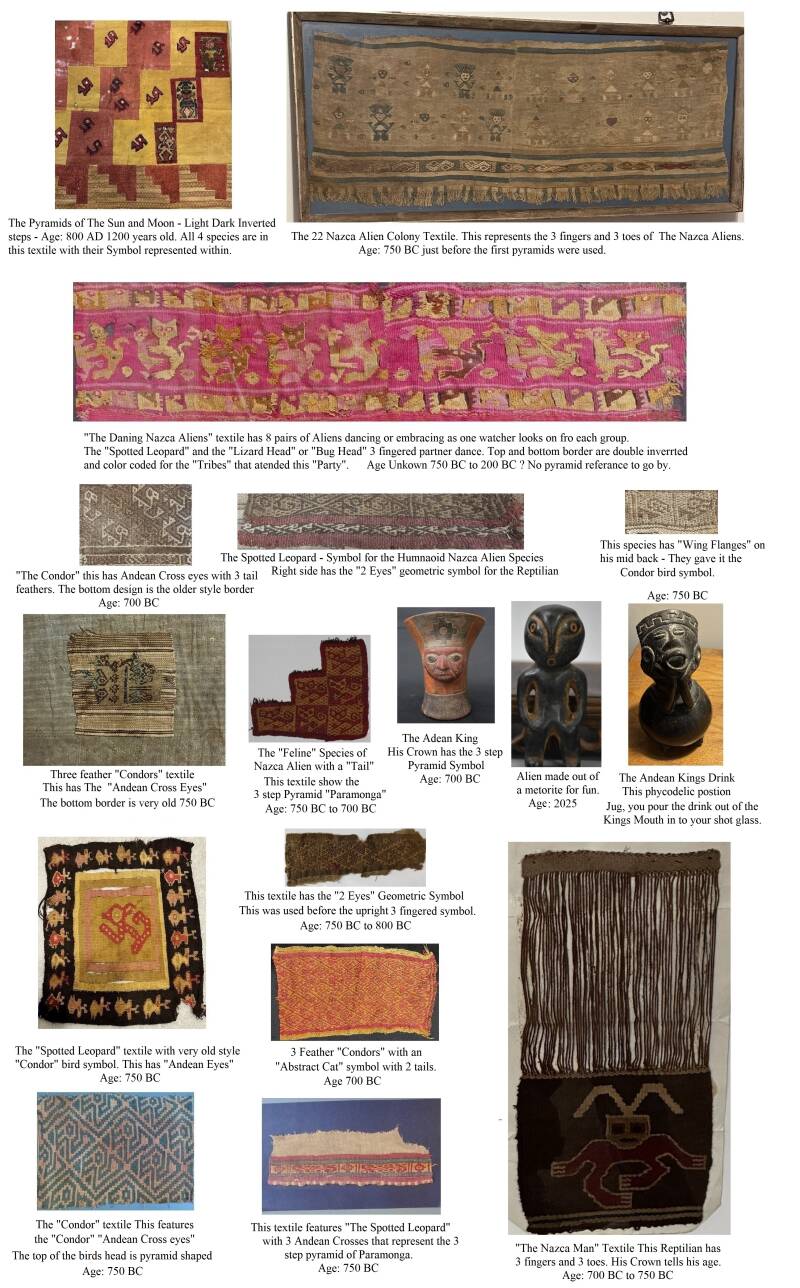
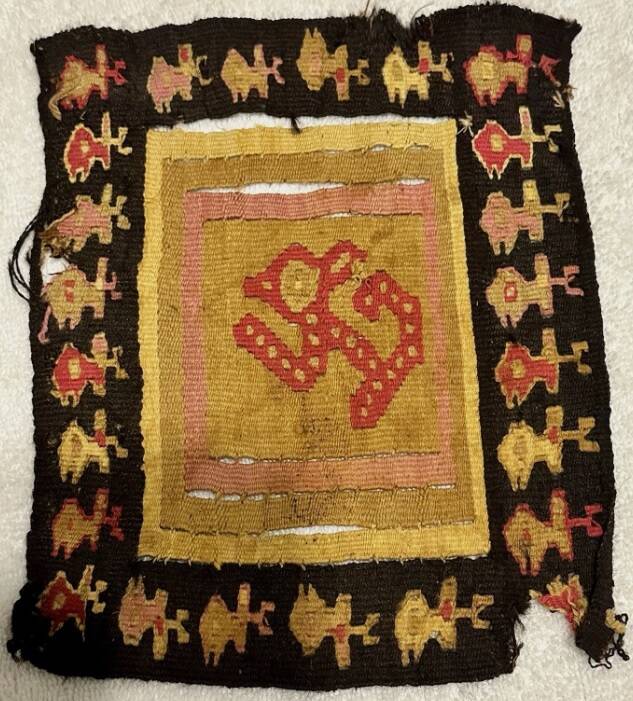
In 700 BC when the Peruvian people began to make textiles to represent the Nazca Alien Tribe. They picked animals that looked similar to that species of Nazca Alien.
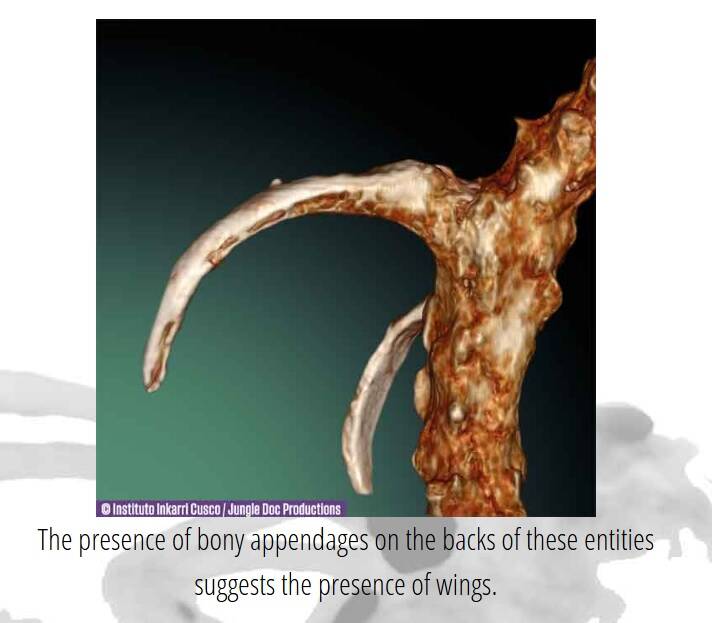
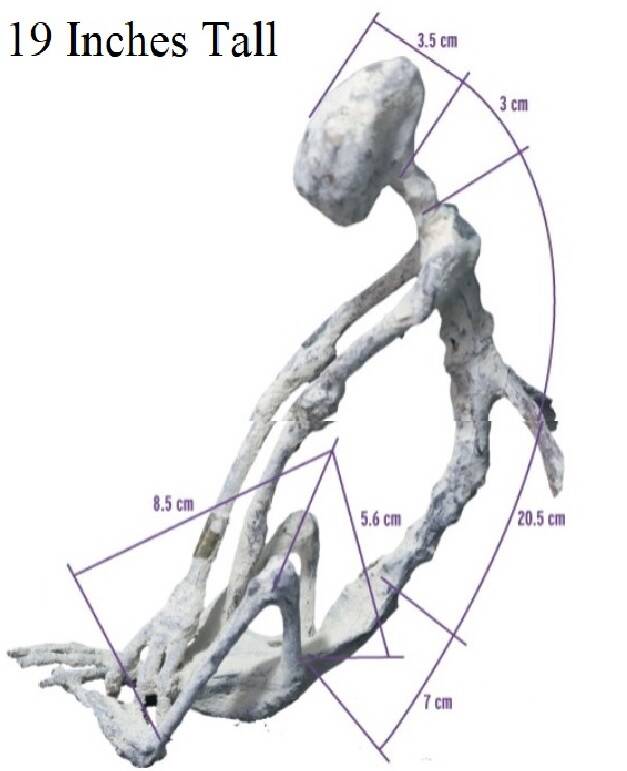
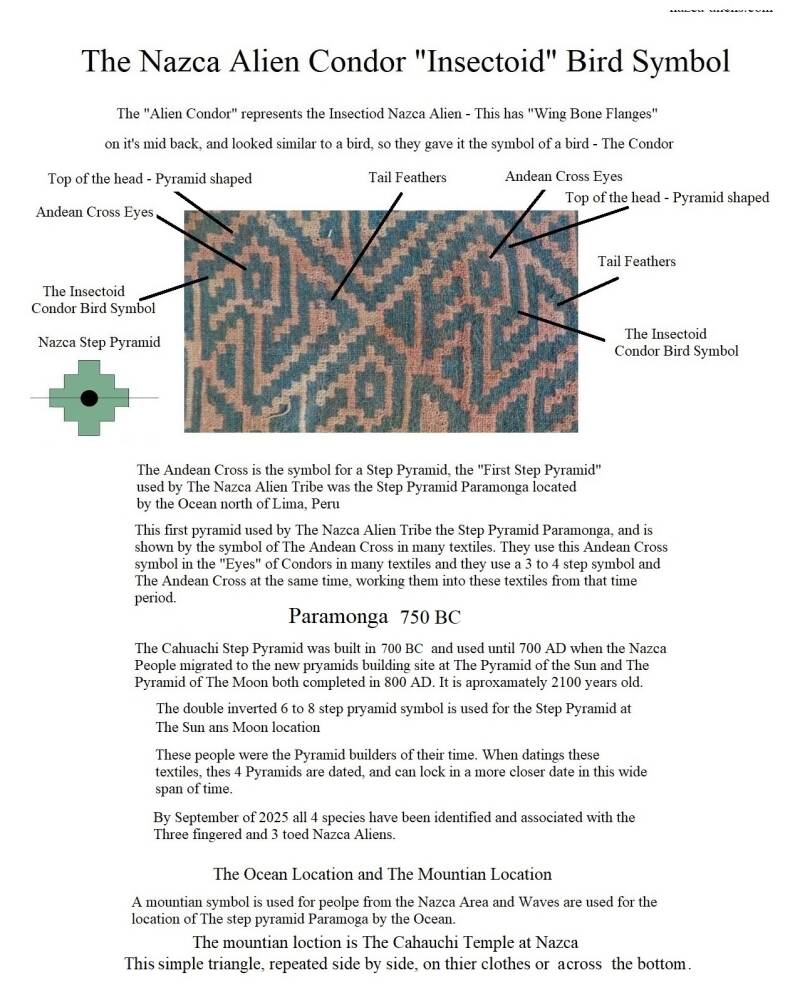
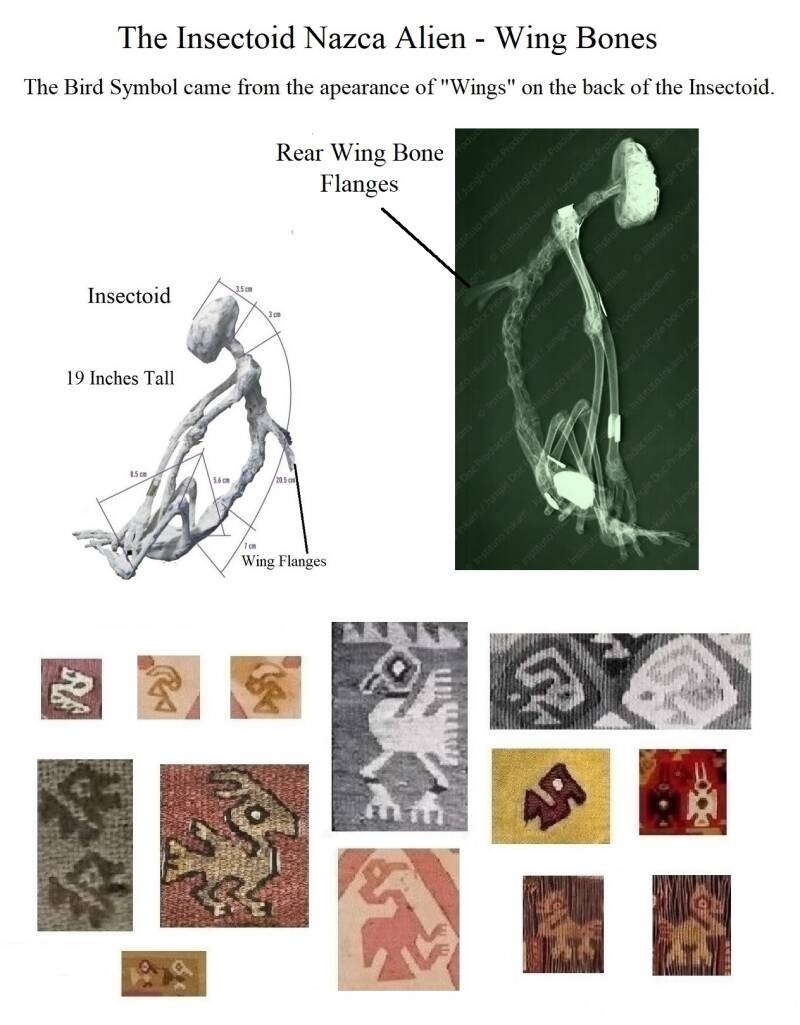
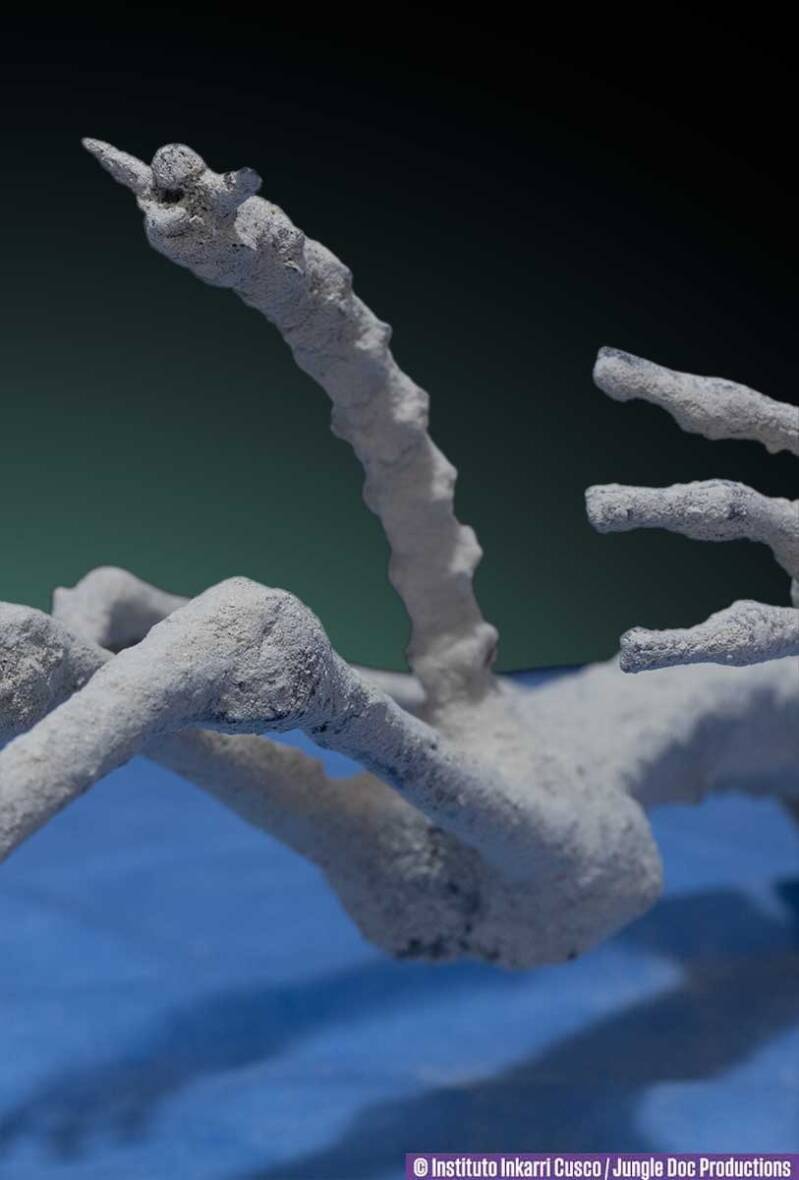
1. The Bird Symbol looks closest to the 3 Fingered Insectoid Species, because they have a "wing like" protrusions on their mid rear back. These mid rear bone flanges are large and looked similar to wings.
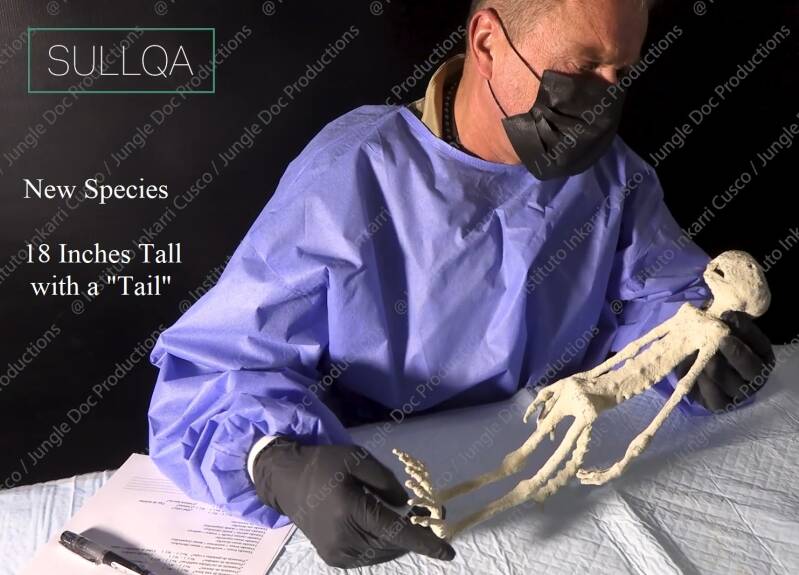
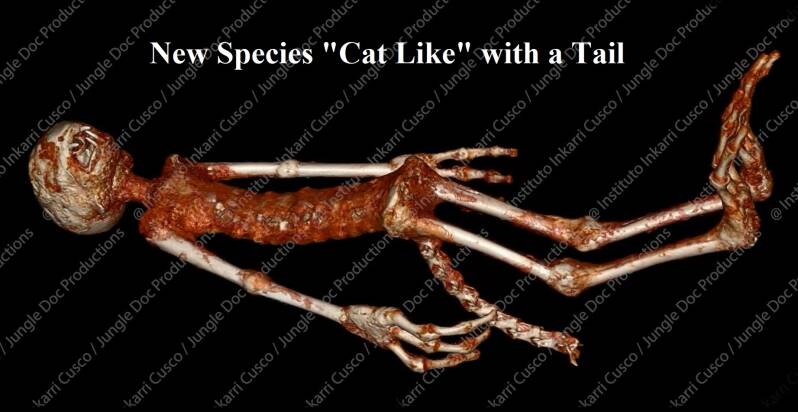
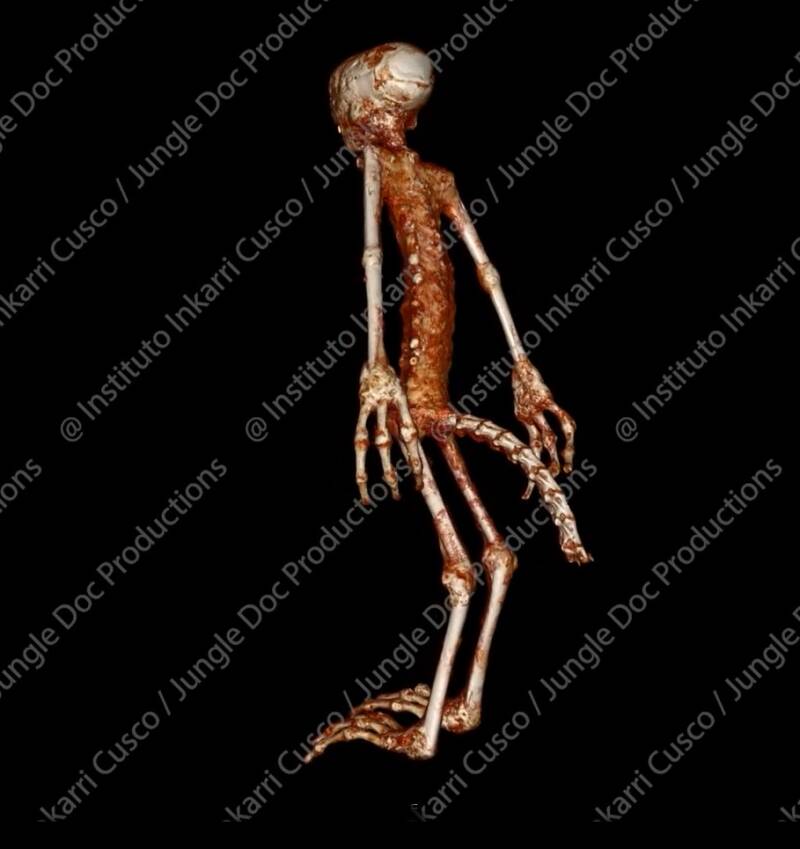
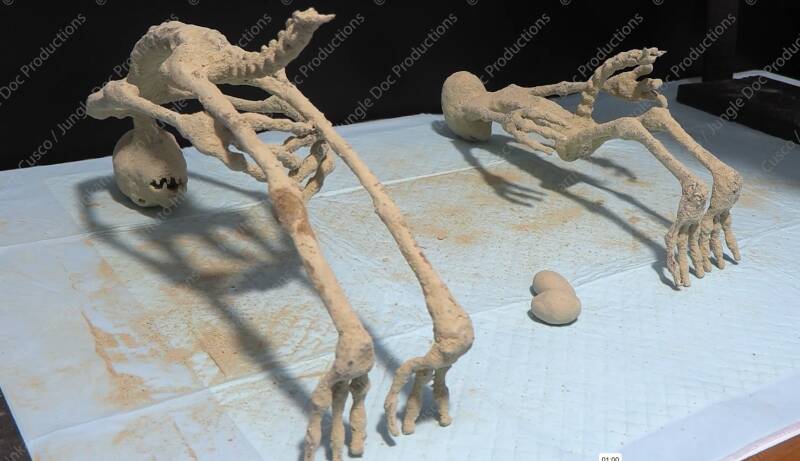
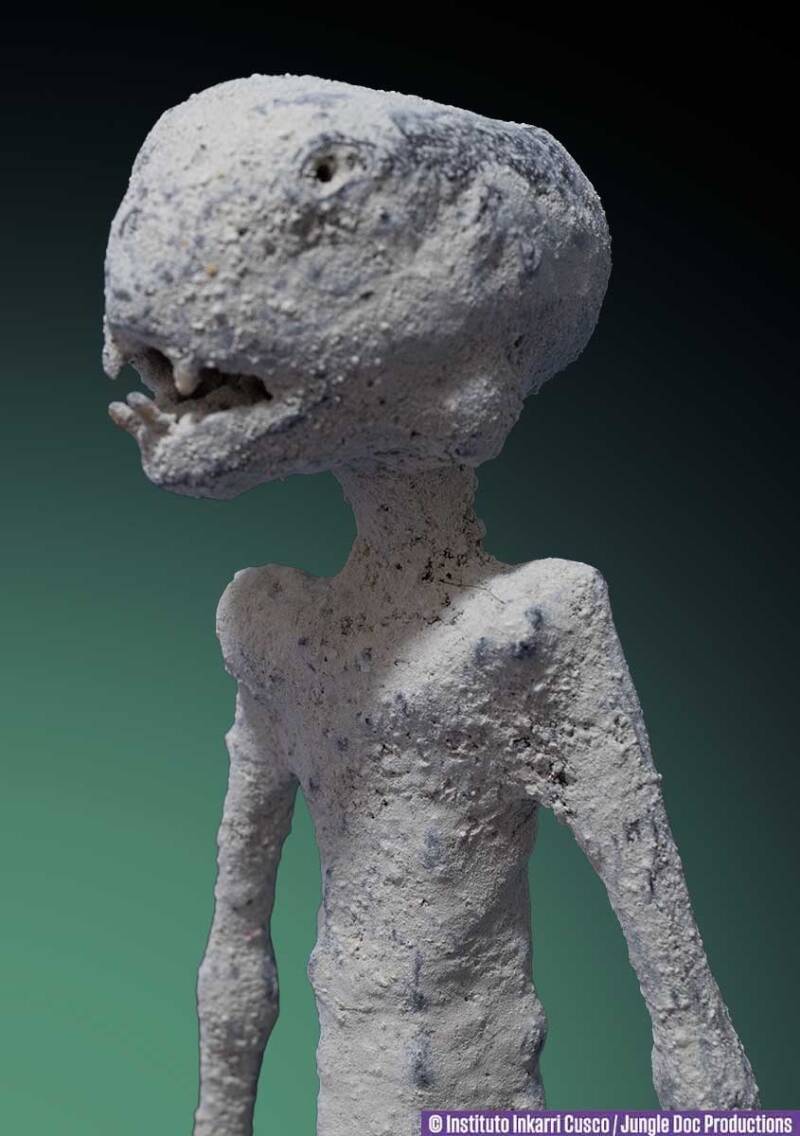
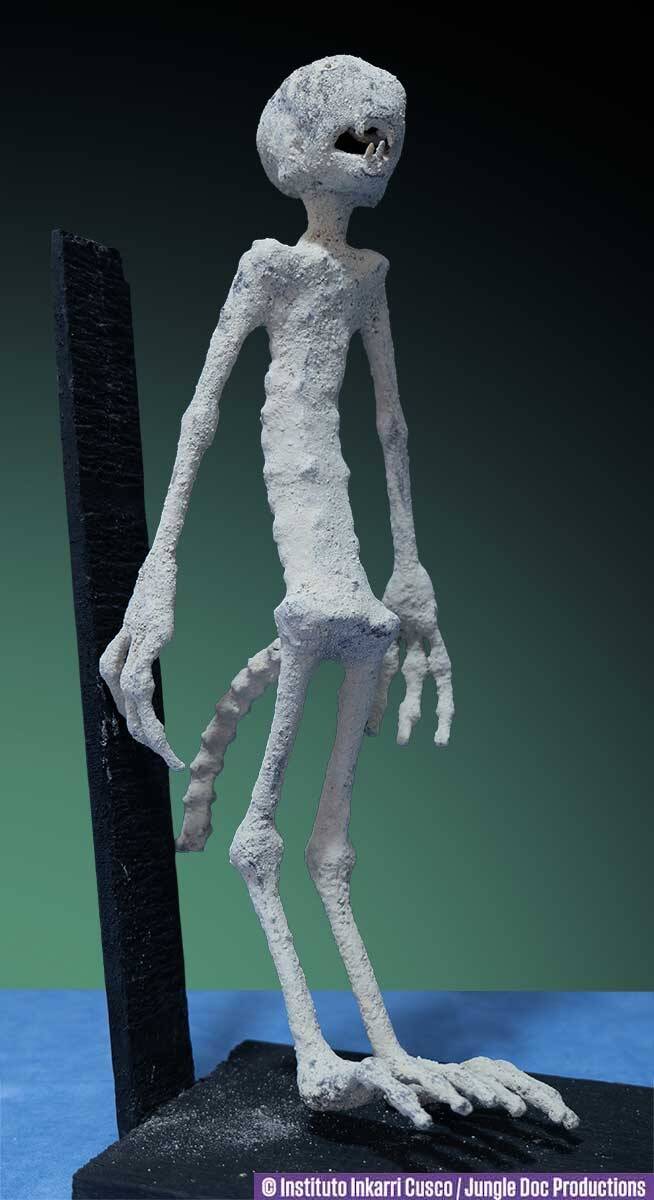
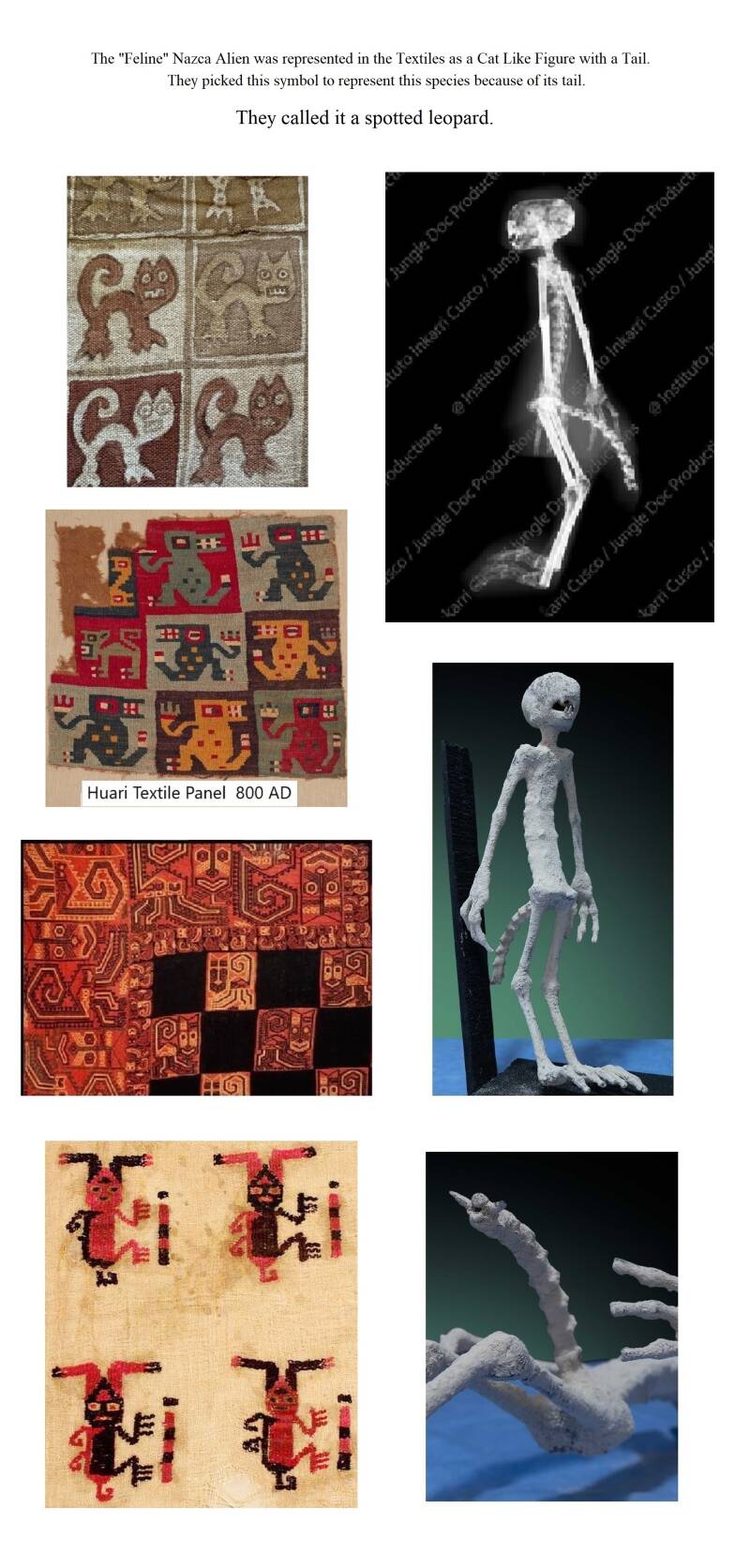
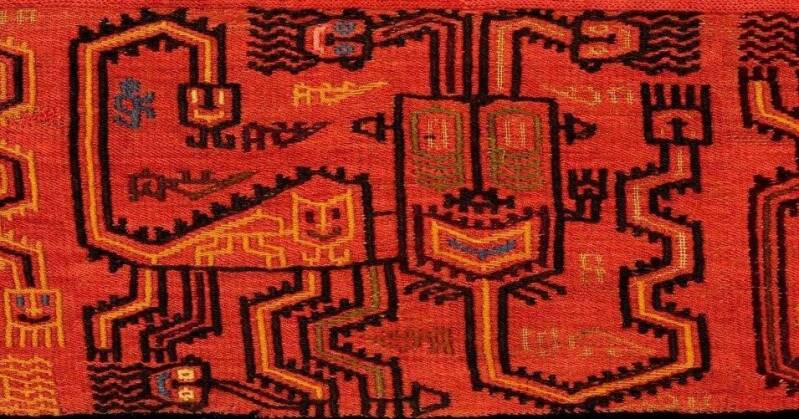
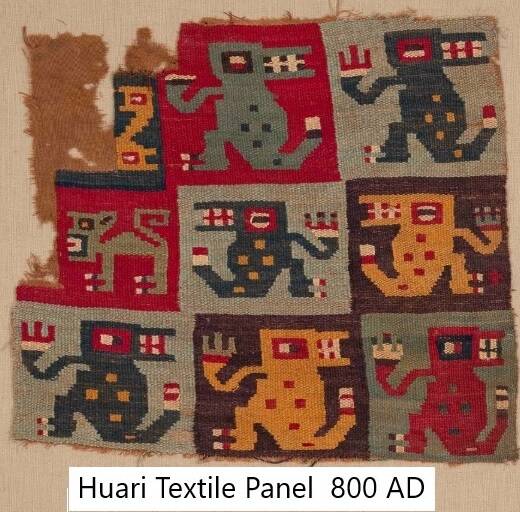
2. The Cat Symbol is used for the 3 fingered Nazca Alien "Feline" species with a "tail". This small 18 inch tall being looked similar to a “Feline” because of the "Tail" they used the "Spotted Jaguar" as their symbol for this “Feline” species of Nazca Alien. They picked the most powerful animal in Peru. Of course, it is not a earthly cat, they are only using this image to represent this species.
They use the Spotted Jaguar with a tail. This symbol has sharp teeth and sometimes shows spikes, like a dinosaur on their backs in these images within the textiles.
3. The Reptilian Nazca Alien used a "2 eye" geometric design in older textiles, then, a small upright human looking figure with 3 fingers and 3 toes was used.
This image has a "Bug Head" or "Lizard Head" very similar to the Reptilians real head.
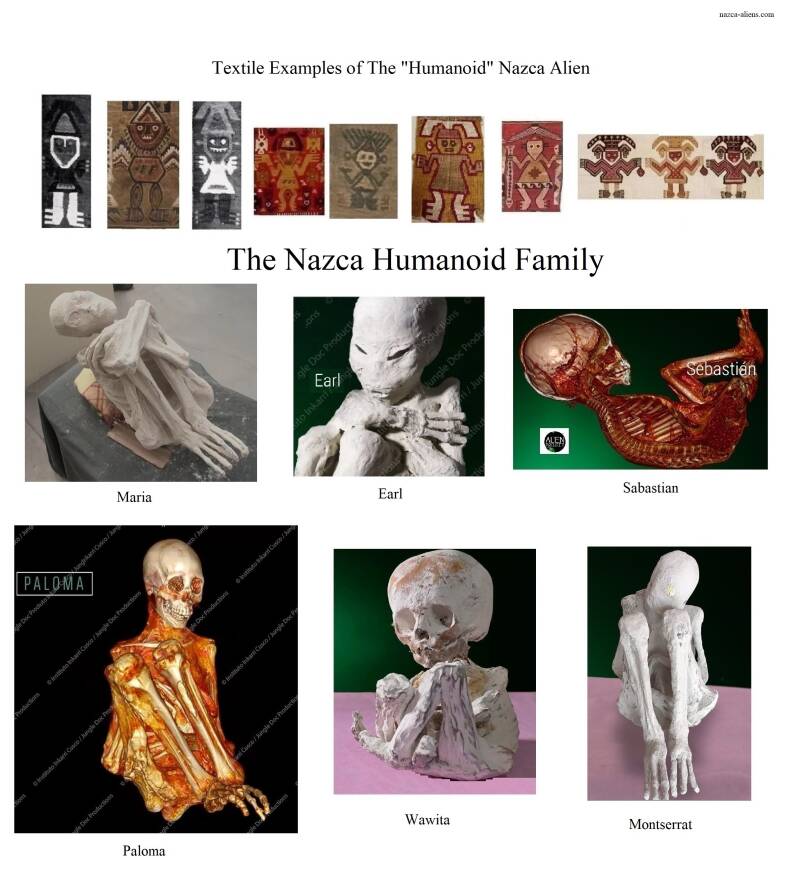
4. The Humanoid will be the largest 3 fingered upright figure in the textile and is shown with three fingers and three toes. If the image has 4 fingers and toes it would be a "Large Skull Ruller" These were Kings and Regents in power at that time. There were over 700 Large Skull People living in Peru at that time. I believe The Nazca Alien Colony overlapped in their time living here on Earth. They worked together.
This upright man like image with 3 fingers and 3 toes was used as their symbol for the Humanoid during this time frame of these Textiles. They used this image from about 600 BC. to 1470 AD. Only the very old abstract textiles from 800 BC. use 4 images withe 3 fingers, and they are very abstract, but still, they have the 3 fingered symbols for the Humanoids and Reptilians, but were color coded at this time in the textile's history.
The Nazca Alien Time Period is shown in the textiles from 800 BC to 1470 AD in Peru.
The first textile purchased for the Nazca Alien Textile Collection was The “Dancing Alien "textile.
At that time, the new species of Nazca Alien with a tail had not yet been recovered from the desert until the end of September of 2025, when this new species was reviled.
This new species with three fingers and three toes, with a "Tail" shows up in over 50 textiles from that time period. There are over 275 textiles that represent the Nazca Aliens 4 species in the data base that lived in Peru.
The "Dancing Aliens" Textile represents the "Feline" cat like symbol. There is a Reptilian Symbol's Image that is embracing the Feline Image. They have a "Watcher" for each couple, looking up at them as they dance.
Now all four species of Nazca Aliens were chosen of what symbols were to be used to represent "The Nazca Alien Colony". These basic 4 symbols will be used thru out the textiles during this time period in Peru.
The Humanoid Nazca Alien is represented as a Human Upright Figure with three fingers and 3 toes.
The "Reptilian" symbol was a "Bug Head" or "Lizard Head" shape of the Reptilian species represented in these textiles.
The Insectoid symbol is a "bird", because of the "Wing Bones" on their mid back. These 4 images in the textiles but can be found in most of the textiles from that time period.
The "Feline" Nazca Alien was represented by the "Cat Like" symbol with a tail and appears as a cat in over 50 textiles from that time period. This cat symbol was used in the older textiles and newer ones too.

Create Your Own Website With Webador